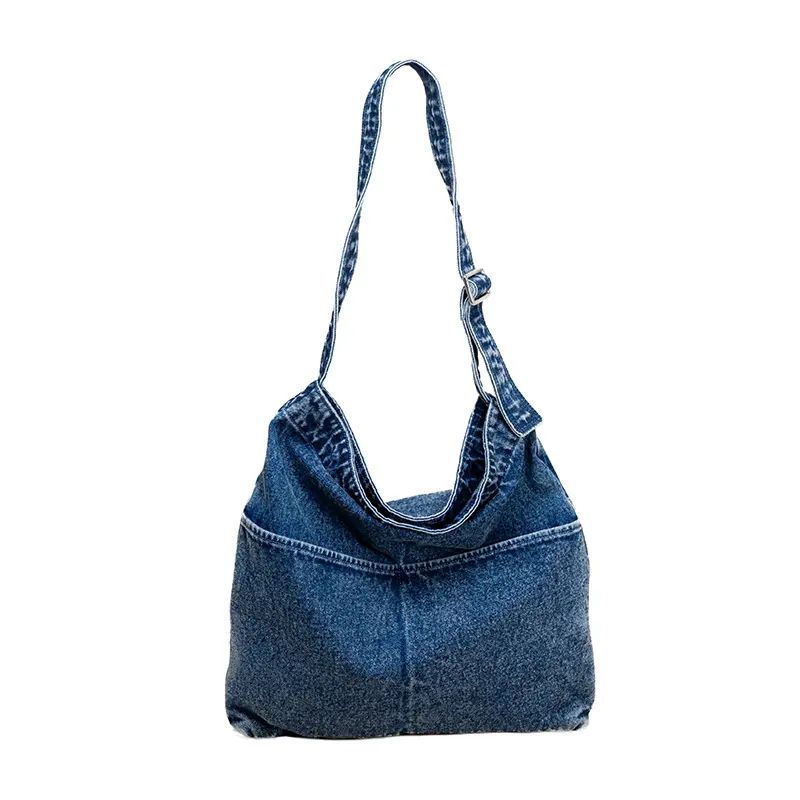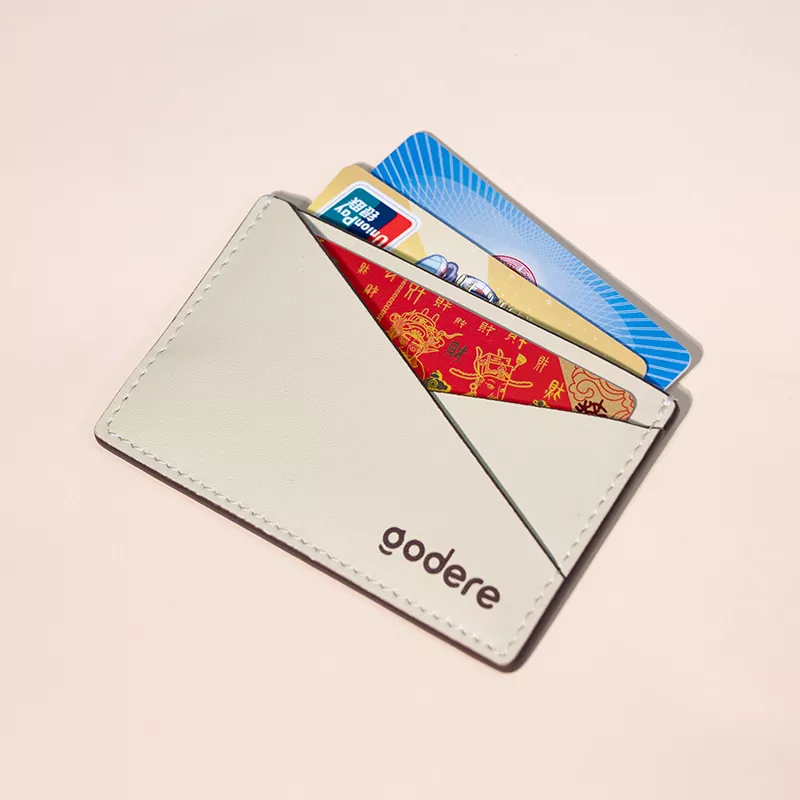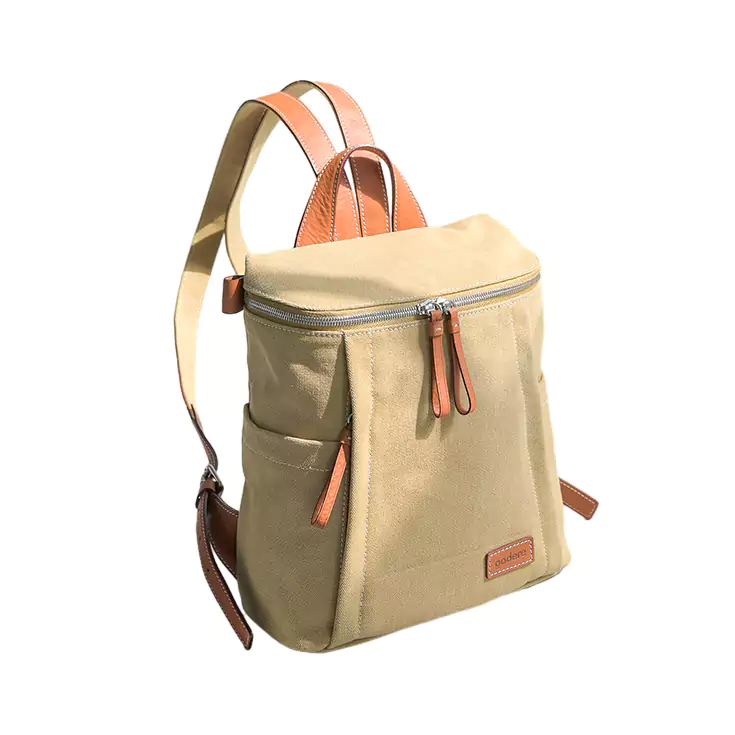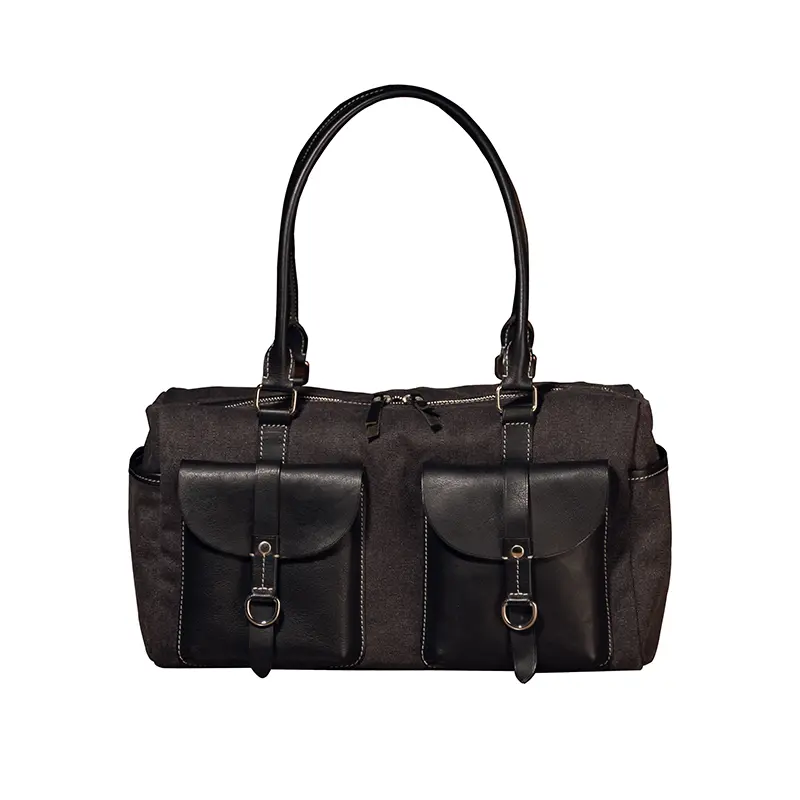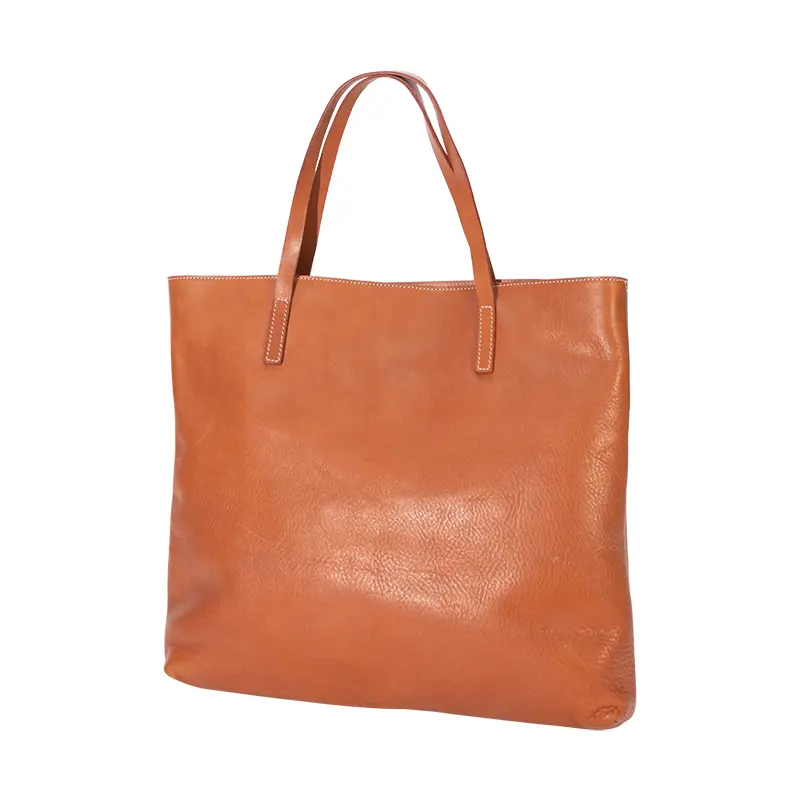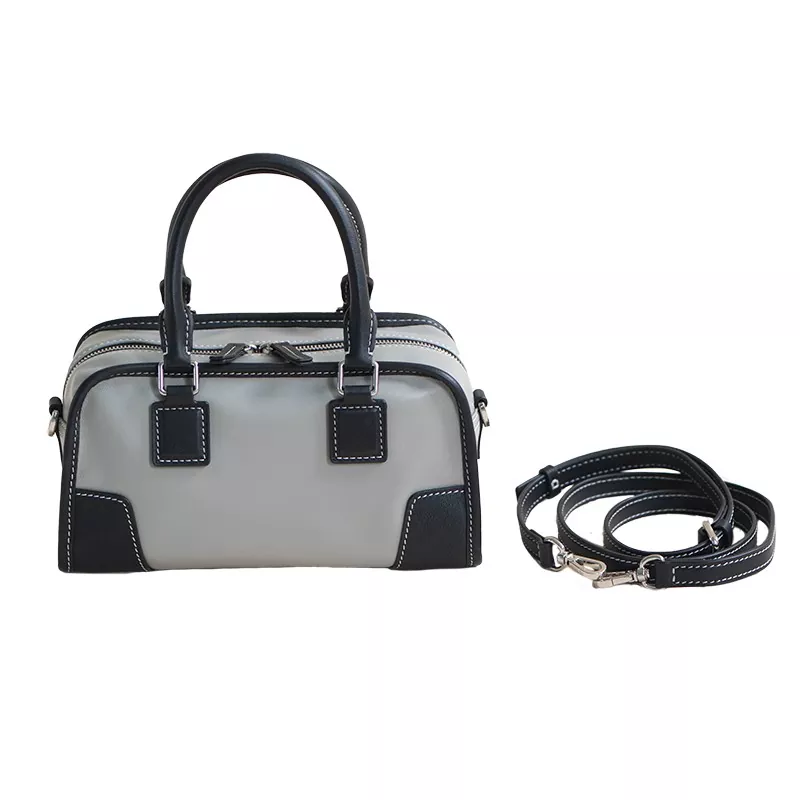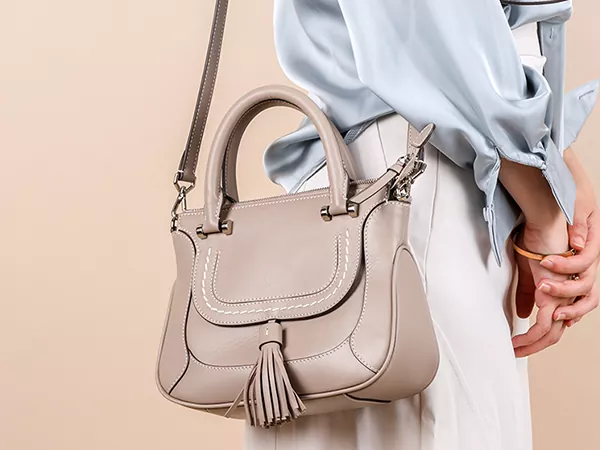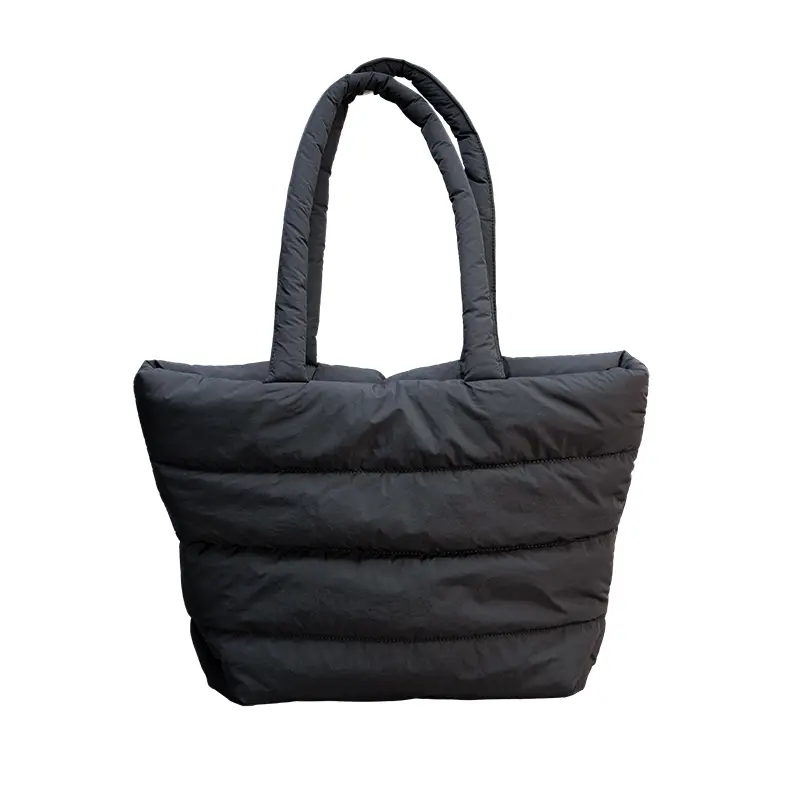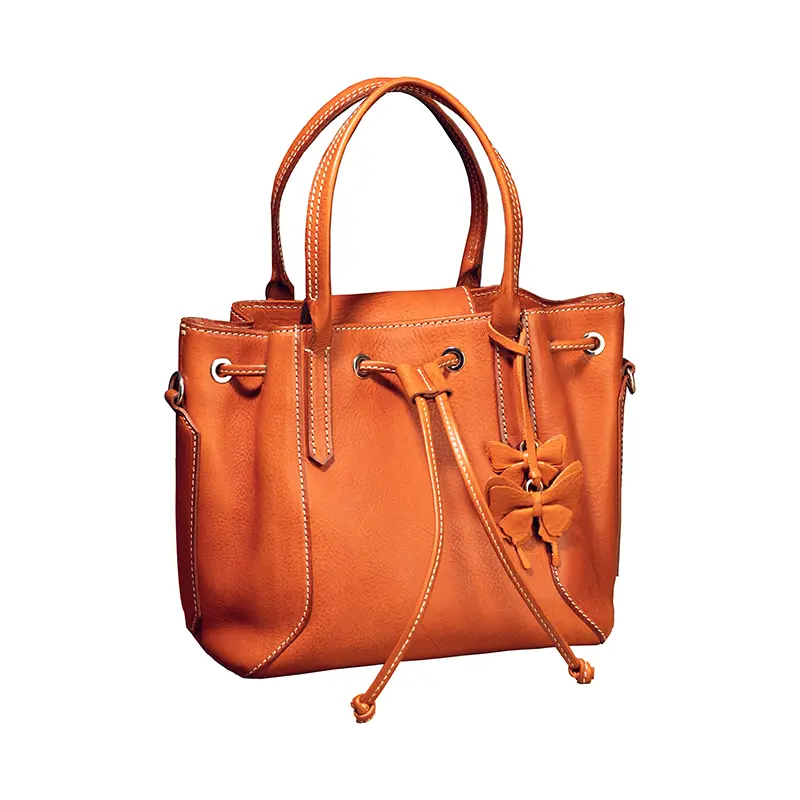
什么是植鞣手提包?
This in‑depth blog post explores the world of vegetable‑tanned handbags — from what they are and how they’re made to why they’re valued by leather lovers. We’ll answer key questions, outline differences between tanning methods, and provide detailed insights into care, sustainability, and purchasing decisions. Whether you’re a fashion enthusiast, eco‑conscious buyer, or considering a high‑quality leather investment.

Table of Contents
- What is a Vegetable‑Tanned Handbag?
- How is Vegetable‑Tanned Leather Made?
- Why Choose Vegetable‑Tanned Over Chrome Tanned?
- Which Qualities Make It Valuable?
- How to Care for Your Vegetable‑Tanned Handbag?
- What Are the Environmental Benefits?
- Frequently Asked Questions
What Is a Vegetable‑Tanned Handbag?
A vegetable‑tanned handbag is a bag made from leather treated using tannins derived from plant materials like tree bark, leaves, and fruits. This traditional tanning method dates back centuries and produces leather known for its natural finish, durability, and ability to age beautifully over time. Unlike other tanning methods, vegetable tanning avoids heavy use of synthetic chemicals, aligning more with sustainable practices. Qingdao Jiarong Leather Products Co., Ltd. is one industry example of a manufacturer specializing in high‑quality vegetable‑tanned leather goods.
How Is Vegetable‑Tanned Leather Made?
The process of vegetable tanning involves soaking animal hides in large vats filled with tannin‑rich plant extracts. Over weeks to months, the tannins bind to the collagen proteins in the hide, transforming it into stable, durable leather.
Vegetable Tanning Process Steps
| Step | Description |
|---|---|
| 1. Preparation | Cleaning and trimming hides. |
| 2. Soaking | Rehydrating the hide. |
| 3. Tanning | Immersing hide in tannin vats. |
| 4. Drying | Air drying to lock in tannins. |
| 5. Finishing | Buffing, coloring, and conditioning. |
Because no heavy metals are used, vegetable‑tanned leather remains biodegradable and naturally fragrant.
Why Choose Vegetable‑Tanned Over Chrome Tanned?
When shopping for leather products, you may encounter chrome‑tanned and vegetable‑tanned leather. The main differences are sustainability, feel, and patina development. Chrome tanning uses chromium salts, which speeds up production but can introduce environmental challenges if waste is not managed properly.
- Durability: Both are durable, but vegetable‑tanned leather often ages more gracefully.
- Eco‑impact: Vegetable tanning uses plant‑based materials and fewer toxins.
- Appearance: Vegetable leather develops a rich patina over time, adding character.
Which Qualities Make It Valuable?
Vegetable‑tanned handbags are prized for several key qualities:
- Natural Aesthetics: The color and grain reflect the original hide without heavy coating.
- Patina Development: Over time, exposure to sunlight, oils, and handling creates a unique patina.
- Longevity: With proper care, vegetable‑tanned handbags can last decades.
These traits contribute to higher perceived value and justify premium pricing for well‑crafted pieces.
How to Care for Your Vegetable‑Tanned Handbag?
Vegetable‑tanned leather needs care to maintain its beauty and functional life. Follow these steps:
- Keep It Dry: Avoid prolonged exposure to water.
- Use Leather Conditioners: Apply natural leather balm every few months.
- Avoid Harsh Chemicals: Do not use alcohol‑based cleaners.
- Store Properly: Use dust bags and keep away from direct sun when not in use.
Proper care enhances patina and prevents cracking or drying out.
What Are the Environmental Benefits?
Vegetable tanning is considered more sustainable because tannins come from renewable plant sources. The absence of heavy metals reduces hazardous waste concerns. However, sustainability also depends on responsible sourcing of hides and tannins.
- Biodegradability: Vegetable‑tanned leather breaks down more naturally.
- Non‑Toxic Waste: Less chemical contamination compared to other methods.
- Renewable Inputs: Uses plant materials like quebracho, mimosa, and chestnut tannins.
Frequently Asked Questions
What makes vegetable‑tanned leather different from other types?
Vegetable‑tanned leather uses plant‑based tannins, giving it a natural finish and capacity to age with a unique patina, unlike chrome‑tanned leather which uses chromium salts and produces more uniform, water‑resistant finishes. Vegetable tanning is also often seen as more environmentally friendly when managed responsibly.
How long does vegetable‑tanned leather take to produce?
The tanning process can take weeks to months because it relies on gradual penetration of tannins into the hide. This longer process contributes to its durability and natural characteristics.
Is a vegetable‑tanned handbag worth its price?
Yes — while more expensive upfront, its longevity, aesthetic development, and sustainability features often make it a valuable investment compared to cheaper, less durable alternatives.
Can vegetable‑tanned leather get wet?
Occasional exposure to moisture won’t ruin it, but prolonged wetness or submersion should be avoided. If it gets wet, dry slowly at room temperature and condition afterward.
Does vegetable‑tanned leather smell?
Yes, it often retains a natural, earthy leather scent from the tannins and minimal processing, which many enthusiasts appreciate.
上一个 :
下一个 :
相关新闻
给我留言